

Lately, the field of human and robot teamwork has gained considerable traction, transforming the way we work and interact with technological tools. As robots become increasingly incorporated into various industries, comprehending the interactions of human-robot interaction has become crucial. A class focused on this critical sector equips individuals with the insights and skills to handle the complexities of designing and collaborating with robots. This article aims to discuss the varied nature of human-robot interaction courses, showcasing their importance and the specific skill sets they provide to learners.
As we dig deeper into the realm of these courses, we will reveal the key competencies that aspiring practitioners can acquire, from grasping the societal impacts of technology use to mastering the latest developments in artificial intelligence. With a range of options available, including online and in-person formats, potential students have the opportunity to choose a learning path that best suits their preferences. Whether you are a novice looking to enter the industry or a seasoned practitioner aiming to enhance your skills, a human-robot interaction course can be a life-changing experience, paving the way for creative solutions in an constantly changing technological environment.
Essential Areas in HRI
A HRI course offers students with crucial skills that bridge the gap between humans and machines. One of the key areas of focus is understanding user experience design, which guides students the techniques to create simple interfaces that make interactions smooth and effective. This includes learning about ergonomics and usability to ensure that robotic systems can serve a wide user base. Additionally, students will explore communication protocols that facilitate effective exchanges between humans and robots, enhancing collaboration and productivity.
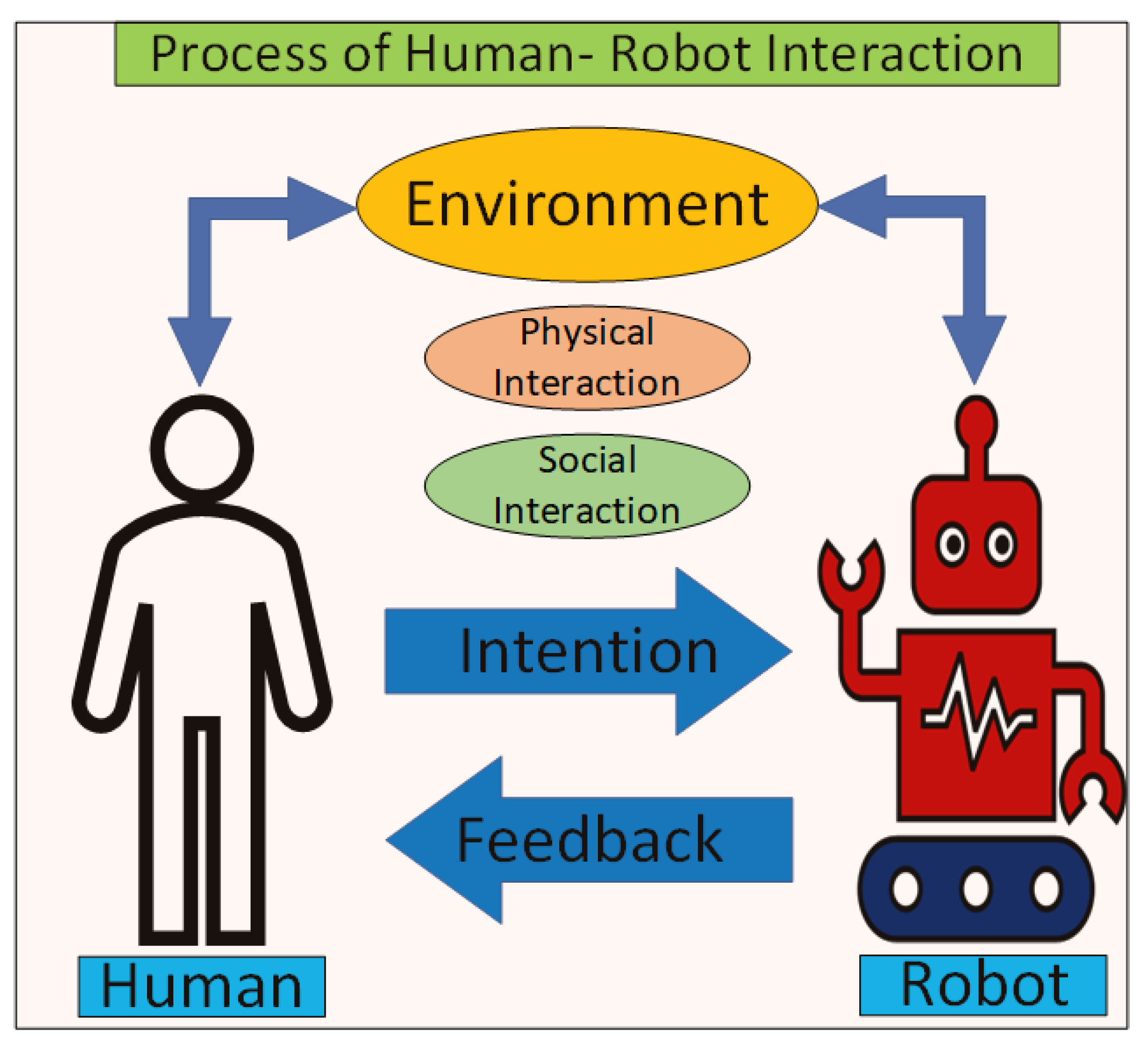
Technical proficiency also have a crucial role in this field. Students will gain knowledge into programming languages often used in robotics, such as Python and C++. Moreover, they will study the various sensors and actuators that are critical to robotic systems, enabling them to design and implement features that augment robot capabilities. Knowledge of machine learning and artificial intelligence is typically integrated into, allowing students to build intelligent robots that can adapt to the user's needs and actions over time.
Another important aspect of a Human-Robot Interaction course is the exploration of ethical considerations. Students will discuss the implications of integrating robots into different industries, including medicine and manufacturing. The course typically analyzes the societal impact of automation and the importance of developing robots that focus on safety and ethical standards. https://pads.jeito.nl/s/a20OoME5d5 prepares students to not only build and program robots but also to evaluate critically their role in modern society.
Profession and Future Outlook in HRI
The field of HRI is rapidly evolving, generating a abundance of career opportunities for those equipped with the right abilities and knowledge. As industries increasingly adopt automated systems and robotics to enhance productivity and effectiveness, specialists with knowledge in HRI will be in high demand. Companies are seeking for individuals who can bridge the divide between human requirements and robotic capabilities, ensuring smooth cooperation between tech and users. This need spans multiple industries, including medical, production, education, and even entertainment, where effective communication and engagement with robots is vital.
The prospective outlook for HRI professionals is promising. As tech advances, so will the sophistication and capabilities of robots, leading to new uses and a increasing need for professionals who can design, implement, and oversee these technologies. Alumni of Human-Robot Interaction courses will find jobs in investigation and innovation, UX design, and system unification, among other roles. Moreover, businesses are not only looking for technical skills but also the ability to navigate moral considerations and human-focused design, making HRI a cross-disciplinary field with varied professional trajectories.
Looking ahead, it is clear that Human-Robot Interaction will play an integral role in shaping the future of employment and everyday existence. As robots become more widespread in our society, the skill to efficiently interact with them will be more important. This means that the capabilities learned in HRI courses will not only equip students for current job opportunities but also prepare them to adapt to future trends and innovations in the tech world. With continuous advancements in AI, ML, and robots, students joining this field can expect to be at the leading edge of revolutionary developments that will reshape human-robot interaction in various facets of life.
Selecting the Right Human-Robot Interaction Course
While selecting a Human-Robot Interaction course, consider your background and career goals. Courses may fluctuate significantly in their focus, ranging from conceptual foundations to applied applications. If you are a beginner, look for introductory courses that cover fundamental concepts and basic skills. For those with more experience, advanced courses may provide in-depth analysis of complex topics like AI integration and design ethics.
A further important factor is the format of the course. Online courses provide flexibility and can be a great option for those with busy schedules, while in-person classes often allow for greater interactive learning experiences. Think about your learning style and what environment will most effectively support your education. Some institutions also have hybrid formats, combining online lectures with interactive workshops, which can broaden the learning process.
Finally, research the institutions providing these courses. Reputable universities may have more resources, experienced instructors, and networking opportunities. Feedback from former students can also provide insight into the quality of the program and its relevance to current industry practices. Taking the time to assess these aspects will aid you decide on a course that aligns with your goals in the domain of Human-Robot Interaction.