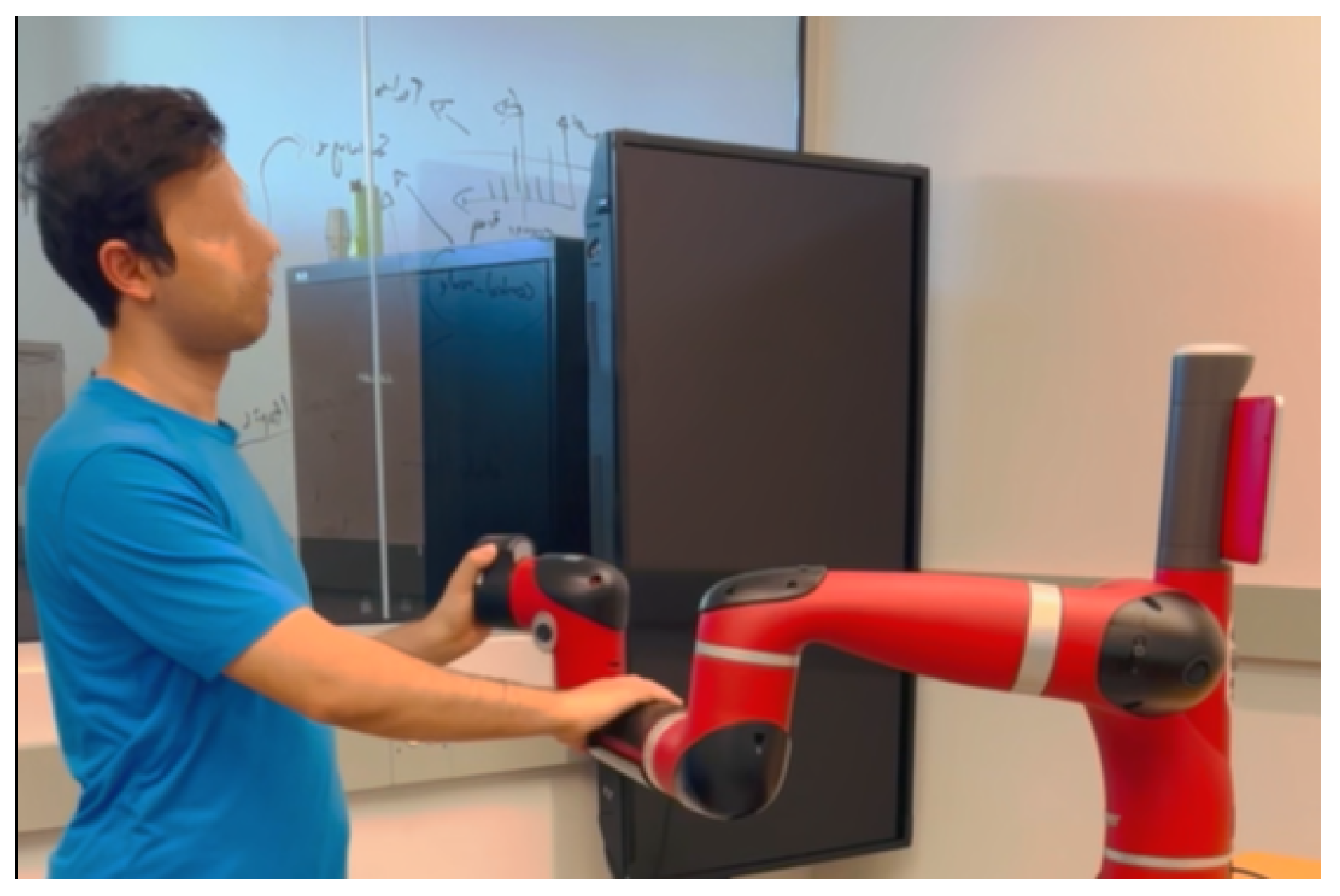
In the present rapidly evolving technological landscape, the intersection of human systems is becoming important. As work their way into different sectors, comprehending how to effectively interact with these machines is more vital than ever. This is where HRI courses come into play, arming individuals with essential skills to connect the gap between people and robots. With an emphasis on cooperation, interpersonal skills, and ethical considerations, these programs prepare students not just to work alongside robots, but to develop and guide in a world where machines are becoming central to our daily lives.
Whether you are a newcomer exploring the field or a experienced professional looking to boost your expertise, enrolling in a Human-Robot Interaction course can provide invaluable insights into the dynamics of this growing discipline. From the basic concepts of human behavior and machine learning to advanced topics involving artificial intelligence, these courses cover a wide range of subjects vital for navigating the future of technology. As we examine the specifics of what these courses offer, you will discover the crucial skills you can acquire and the job opportunities that await those who welcome this dynamic field.
Critical Skills Learned through Human-Robot Interaction Course
During a Human-Robot Interaction course, students develop a set of key skills that are crucial for efficient interaction between humans and robots. One of the main skills is understanding user experience and UI design. This requires studying how to create intuitive interfaces that enhance seamless interactions among users and robotic systems. Gaining proficiency in this skill ensures that robots can function efficiently within different environments while being accessible and open to a diverse user base.
An additional key skill gained through the course is programming and algorithm design related to HRI. Students gain practical experience with programming languages and frameworks that empower robots to comprehend and reply to human commands and behaviors. This technology-related proficiency is vital for developing adaptive systems that can enhance functionality in real-world applications, including assistive technologies to autonomous vehicles.
Moreover, students explore about the moral implications of robot integration into communities, which is ever more important in the modern technology-driven world. Grasping the ethical challenges and obligations associated with HRI equips students to tackle concerns such as privacy, safety, and the social impact of robotics. HRI certification promotes critical thinking, ensuring that upcoming developers are not only proficient technicians but also responsible innovators.
Career Paths in Human-Robot Interaction
As the technology continues to progress, the demand for specialists skilled in HRI is becoming ever important across various sectors. Students from HRI programs frequently find job openings in fields such as health services, industry, and leisure. In medical care, for example, professionals develop robots that aid with patient care or surgical procedures, enhancing effectiveness and safety. In industry, professionals work on integrating robotic systems to enhance operations and improve productivity, while in entertainment, they may design immersive experiences that attract users in new and original ways.
Another significant area of prospect lies in studies and advancement. Many alumni pursue jobs in academic or industrial research institutions, where they contribute in progressing the field of robot technology. This includes examining how robots can better comprehend and respond to human feelings, conduct, and contexts. Teaming up with engineers, psychologists, and designers, these specialists challenge the frontiers of what robots can achieve, promoting innovation that can lead to groundbreaking uses in multiple domains.
Moreover, there are expanding career paths in teaching and regulation as society grapples with the consequences of augmented human-robot interactions. Instructors who understand the complexities of this field play a crucial role in equipping the next generation of learners and experts. Additionally, regulators need consultants who can offer insights and guidelines on the ethical use of robots in society. These functions are essential for ensuring that developments in robot technology are aligned with community values and needs, stressing the value of a well-rounded human-robot interaction education.
Picking the Right HRI Course
Choosing the appropriate HRI program is crucial for optimizing your learning experience and matching with your career goals. Start by evaluating your current understanding and skills. If you are a beginner, look for introductory courses that cover key concepts and terminologies. For those with a foundation in robots or engineering, look into advanced courses that cover complex systems and integration techniques.
Then, investigate the course content and structure. A comprehensive course should cover essential subjects such as UX design, programming for robots, and the moral considerations of human-robot collaboration. Additionally, seek out courses that feature practical projects, as these experiences provide practical knowledge and allow you to implement what you study in a real-world context. Look for programs that offer a balance between theory and practice to ensure you gain a comprehensive understanding of the field.
Lastly, take into account the mode of delivery that suits your lifestyle. E-learning courses offer convenience and the ability to learn at your own pace, while in-person courses can provide immediate interaction with teachers and peers. Look for reviews and feedback from former students to assess the effectiveness of the program and the standing of the institution. By thoughtfully assessing these factors, you can choose a HRI course that most fits your aspirations and enables your success in this fast-changing area.