

In the current rapidly evolving technological landscape, the crossroads of people and robots has become a critical area of exploration and inquiry. HRI, is not just a growing field; it is reshaping the way we think about the inclusion of robotics into everyday life. As robots are more and more designed to work alongside people, understanding the subtleties of this relationship becomes crucial for anyone looking to succeed in a tech-centric future. A HRI program offers a distinct opportunity to delve into the foundations and practices that govern these interactions, making it a significant asset for aspiring professionals.
Whether you are a learner interested about the implications of robotics or a experienced professional looking to broaden your knowledge, enrolling in a HRI course can greatly improve your comprehension of both the technical and moral dimensions of HRI. From foundational concepts to advanced strategies, these courses cover a wide range of topics, preparing individuals for the challenges of working with robotic systems. As society shifts to increased reliance on robots, the need for professionals skilled in HRI continues to rise, making this an ideal moment to explore the opportunities that such education can provide.
Key Skills and Topics in Human-Robot Interaction
In a Human Robot Interaction course, students will gain essential skills that enable effective communication and collaboration with robots. One key skill is communication programming, where students discover to develop and deploy algorithms that allow robots to grasp human commands and respond suitably. This necessitates not just programming knowledge, but also an insight of user experience and how humans interact with technology. Students will also delve into machine learning techniques, enabling robots to adapt and improve their responses based on past interactions.
Beyond programming, courses often cover themes such as cognitive robotics concepts, which examines how robots can interpret and understand human emotions and intentions. Learning about sensor technology is vital, as it facilitates robots to gather data from their environment and interact more efficiently with users. Additionally, courses will incorporate discussions on the social and societal implications of robot integration, fostering a more well-rounded view of how robots can enhance daily life while respecting ethical standards.
Team-based projects are common in these courses, allowing students to utilize their knowledge in practical scenarios. These practical experiences can range from creating simple interactive robots to complex systems able of performing specific tasks in collaboration with humans. Engaging in these projects helps strengthen the theoretical concepts taught in class and prepares students for real-world applications in various fields, from healthcare to autonomous vehicles.
Career Prospects in Human-Robot Collaboration
The field of human-robot interaction is quickly expanding, resulting to a wide range of job prospects. Graduates of human-robot interaction programs can find roles in multiple sectors, including medical, production, education, and assistive robotics. Roles such as interaction designers, usability analysts, and robotics engineers are just a few samples. This diverse range of career options reflects the growing integration of robots and robotics into daily life, underscoring the need for specialists who understand both the technological and social dimensions of these tools.
In addition to traditional positions, new job categories are emerging as technology evolves. For example, roles in ethical advisory for AI and robot technology are becoming more prevalent, as organizations seek to navigate the complex implications of human robot interaction. Furthermore, with the rise of smart home devices and self-driving vehicles, there are opportunities in product development, UX research, and legal compliance. Experts with knowledge in human robot collaboration will be essential in shaping the future of these tools and ensuring they are user-friendly and ethically aligned.
Lastly, the interdisciplinary nature of human-robot collaboration education prepares graduates for positions in study and innovation as well. Those passionate in research or innovation can seek positions in research labs or think tanks, contributing to state-of-the-art projects that extend the boundaries of tech. As companies and institutions look for methods to utilize robotics for the greater good, the need for qualified individuals who can connect the gap between tech and people requirements will continue to rise, making this area an invigorating and rewarding career choice.
Choosing the Right Human-Robot Interaction Course
When choosing a human-robot interaction course, it is crucial to take into account your learning preferences and goals. Certain courses may emphasize theoretical concepts, whereas others emphasize practical applications and hands-on projects. Determine whether you would like an online format that offers flexibility or an in-person setting that fosters direct interaction with instructors and peers. Reviewing course syllabi and talking with alumni can give valuable insights into what to expect and how well the course aligns with your aspirations.
Another important factor is the expertise of the instructors and the reputation of the institution providing the course. Look for Human-Robot Interaction course managed by professionals who have substantial experience in the field and have been involved in advancements in human-robot interaction. University rankings and course reviews can also inform your decision. Prestigious institutions often have access to cutting-edge research and technology, enhancing your learning experience.
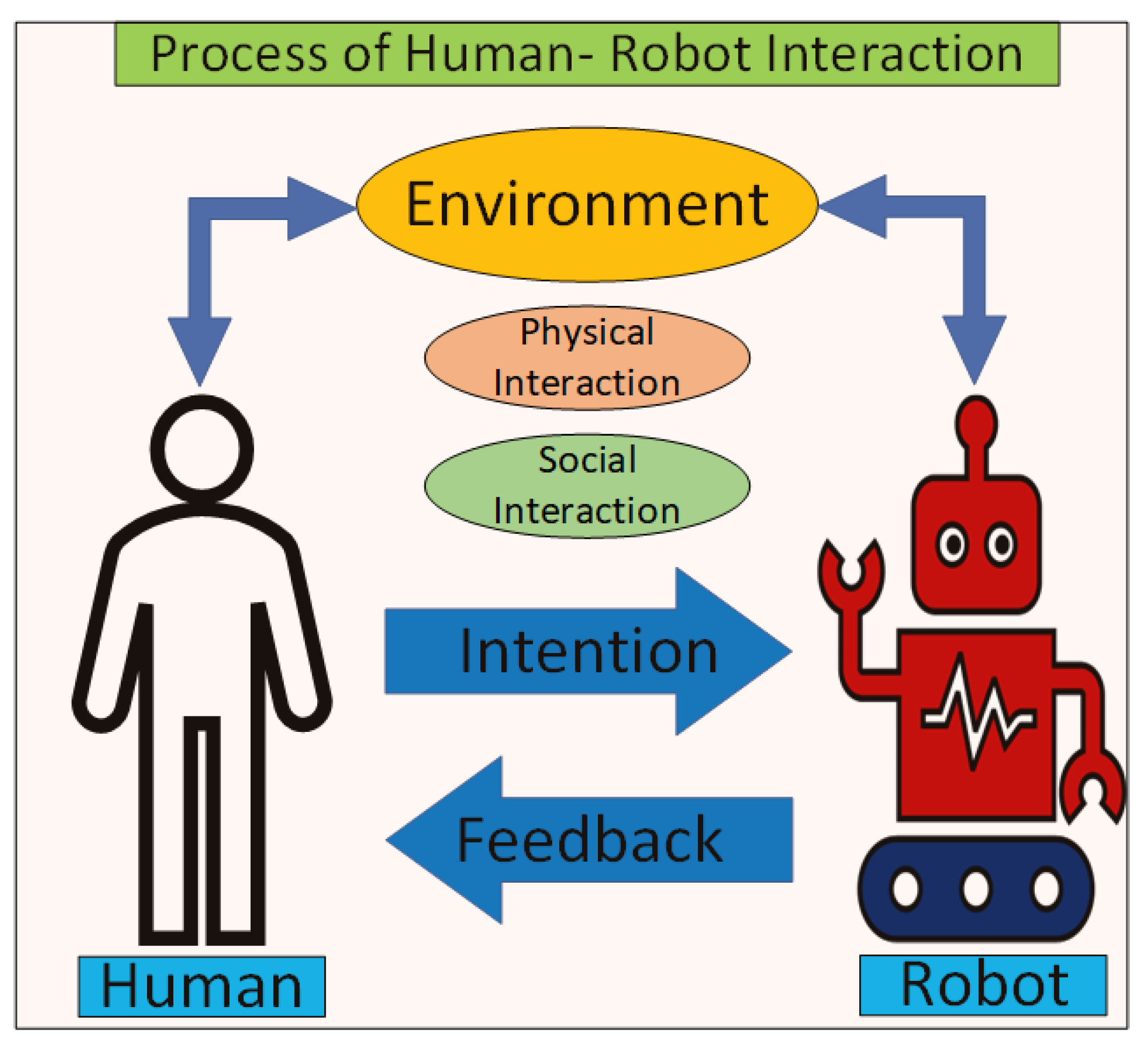
Finally, consider the course duration and content depth. Certain courses may offer foundational knowledge suited for beginners, while others might delve into advanced topics that require prior experience in robotics or AI. Ensure the course addresses essential themes such as ethics, design thinking, and user-centered interaction. Determining your current skill level and future career goals will help you select a course that suits your needs.