

In a world increasingly intertwined with technology, the concept of robot-human interaction has gained notable importance. As robots move from manufacturing floors to houses, companion roles, and even healthcare settings, comprehending how we connect with these intelligent machines becomes essential. A Human-Robot Interaction course offers an insightful exploration of this evolving field, providing learners with the tools to forge meaningful relationships between humans and robots. This educational journey not only covers the mechanical aspects of robotics but delves into the emotional and ethical factors of creating interactions that encourage ease and security.
Whether you are a technology enthusiast, a creator, or someone curious about the prospects of human relationships with machines, this course paves the way for a world of opportunities. From basic concepts to complex topics, a Human-Robot Interaction course prepares students for a rapidly evolving landscape, aiding them grasp the intricacies of designing robots that are user-friendly, compassionate, and adaptive. As we increasingly rely on these robo-companions, the insight gained from this course becomes invaluable in shaping the coming years of technology and its coexistence with humanity.
Importance of Human-Robot Collaboration Courses
Human and robot collaboration programs are important in bridging the gap between tech and human interaction. As automated systems become increasingly entrenched into daily life, understanding how humans perceive and engage with these technologies is essential. These courses equip students with the knowledge and skills to design and implement efficient interaction strategies, ensuring that automated assistants function as beneficial partners to people rather than origins of frustration or confusion.
In addition, these courses emphasize the significance of communication between humans and robots. A clear understanding of the subtleties of people's actions, feelings, and interpersonal signals is necessary for creating automated systems that can respond appropriately to different situations. This encourages the development of more intuitive interfaces, enhancing the experience of users and embrace of robotic technologies in both personal and workplace settings.
Finally, human-robot interaction programs encourage creativity and analytical skills among learners. By investigating the moral considerations and effects on society of robotics, students are more equipped to tackle future challenges in the tech field. This holistic perspective ensures that students are not only skilled in technology but also aware of the wider consequences of their efforts, ultimately contributing to the responsible advancement of automation in society.
Essential Skills and Advantages of Studying
A Human-Robot Interaction course furnishes students with critical skills that integrate technology and human psychology. Comprehending user experience is vital; students acquire how to create robots that not only execute tasks but also engage in ways that seem intuitive and engaging to humans. This interdisciplinary approach enhances analytical skills and problem-solving skills, as learners must consider both engineering aspects and human behavior when designing robotic systems.
In furthermore to technical knowledge, participants in these courses gain understanding into communication strategies between humans and robots. Skills such as understanding, tolerance, and flexibility are emphasized, as they are crucial for cultivating positive interactions. By the end of the course, students will be adept at creating interfaces and interactions that increase user satisfaction and ultimately elevate the effectiveness of robotic companions in various settings.
Additionally, the benefits extend past immediate employment prospects. Comprehending the nuances of human-robot interaction prepares learners for future technological advancements and societal changes. As robotics continues to integrate into daily life, individuals armed with these skills will be essential in crafting the future of work and social engagement, making them invaluable assets in any innovative environment.
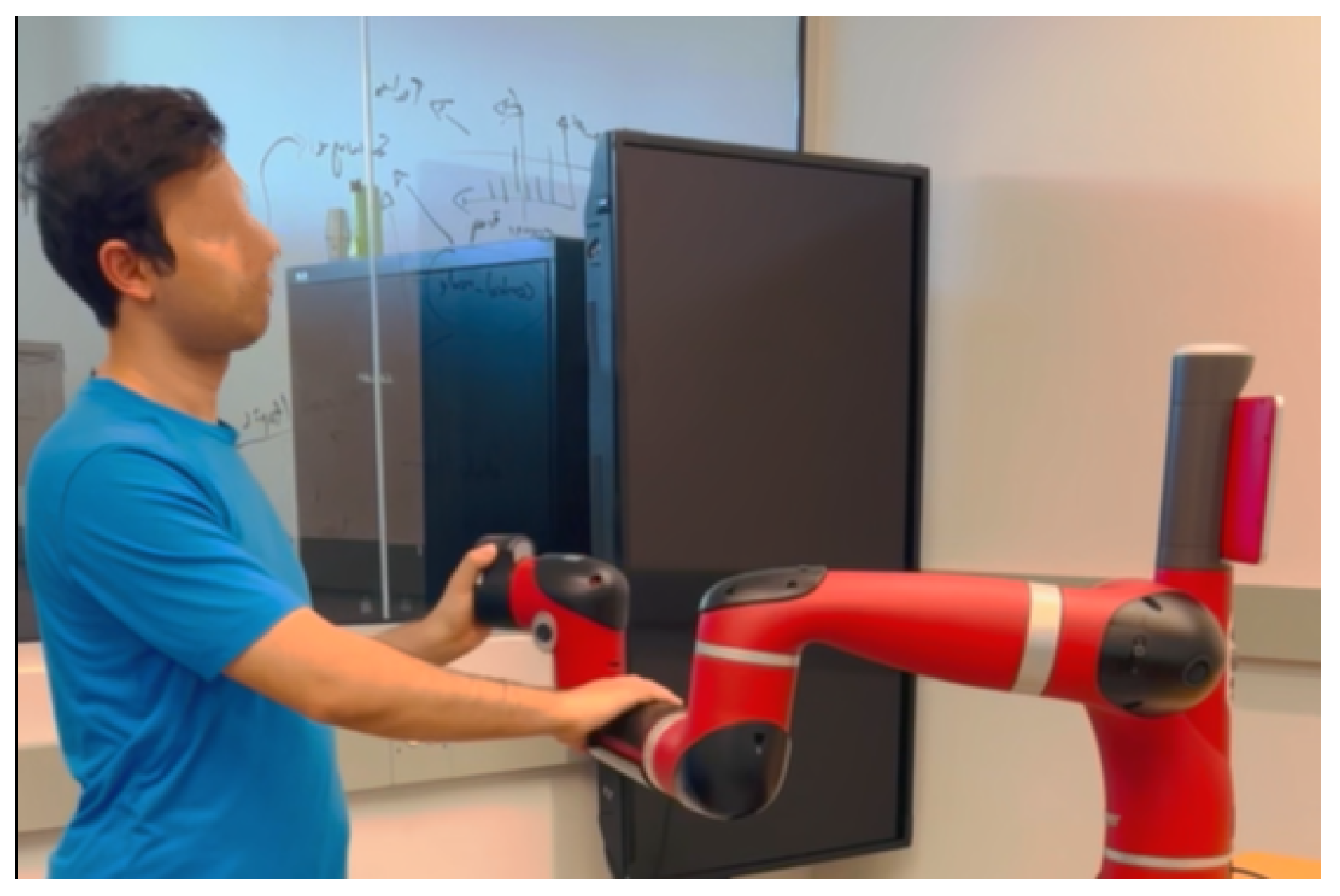
Upcoming Career Opportunities in HRI
The domain of Human-Robot Interaction is swiftly evolving, creating a variety of job opportunities for people skilled in this domain. As machines become more integrated into everyday life, industries such as health services, industry, and customer service are increasingly looking for experts who can facilitate effective conversational interface between humans and robots. Positions such as HRI designer, programmer for robotics, and user experience researcher are becoming vital as organizations seek to improve the functionality and performance of automated systems.
Furthermore, organizations are recognizing the significance of grasping human behavior in the context of robot technologies. Professional paths in studies of behavior, intelligent robotics, and even ethics related to robot implementation are developing. Professionals who can analyze engagements and design systems to boost user engagement will be in great demand, as the successful integration of automated systems relies on their skill to work cooperatively alongside humans.
Finally, colleges and universities and research organizations are also looking for experts in HRI to extend the boundaries of research in the domain. Opportunities for further study and scholarship positions are plentiful, allowing professionals to contribute to progress in AI, computational learning, and automated systems. As the technology continues to develop, those with a foundation in Human-Robot Interaction will find themselves at the leading edge of progress, shaping how society interacts with robotic companions in the future.